How RBI and US Dollar Impact Gold Prices
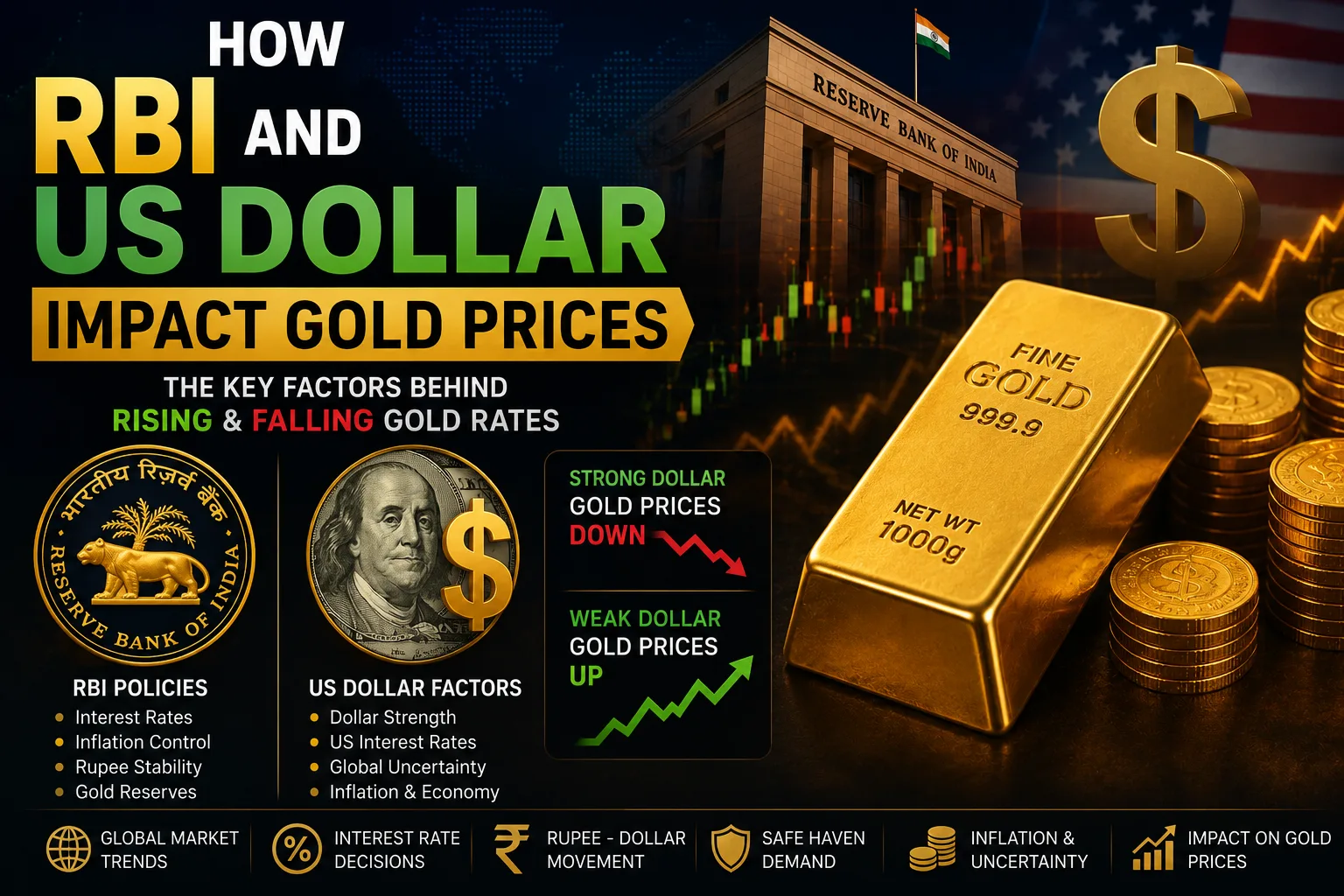
Two major factors that strongly influence gold prices in India are:
- The Reserve Bank of India (RBI)
- The US Dollar
Both play a crucial role in determining how expensive or affordable gold becomes for Indian buyers. Understanding their impact can help investors and jewellery buyers make smarter financial decisions.
In this article, let’s explore in simple terms how the RBI and the US Dollar affect gold prices in India.
Why Gold Prices Change Daily
Gold prices are not fixed permanently. They change every day based on:
- International gold market trends
- Currency exchange rates
- Inflation
- Interest rates
- Government policies
- Demand and supply
Since India imports a large amount of gold from other countries, global financial conditions directly affect Indian gold prices.
This is where the RBI and the US Dollar become extremely important.
What Is RBI?
The Reserve Bank of India (RBI) is India’s central bank.
The RBI controls:
- Monetary policy
- Interest rates
- Inflation management
- Currency stability
- Foreign exchange reserves
The RBI’s decisions influence the Indian economy, including gold prices.
Whenever the RBI changes financial policies, gold prices may rise or fall depending on market reactions.
How RBI Impacts Gold Prices
1. RBI Interest Rate Decisions
One of the biggest ways RBI affects gold prices is through interest rates.
The RBI changes:
- Repo rates
- Lending rates
- Banking liquidity
When RBI Increases Interest Rates
If RBI increases interest rates:
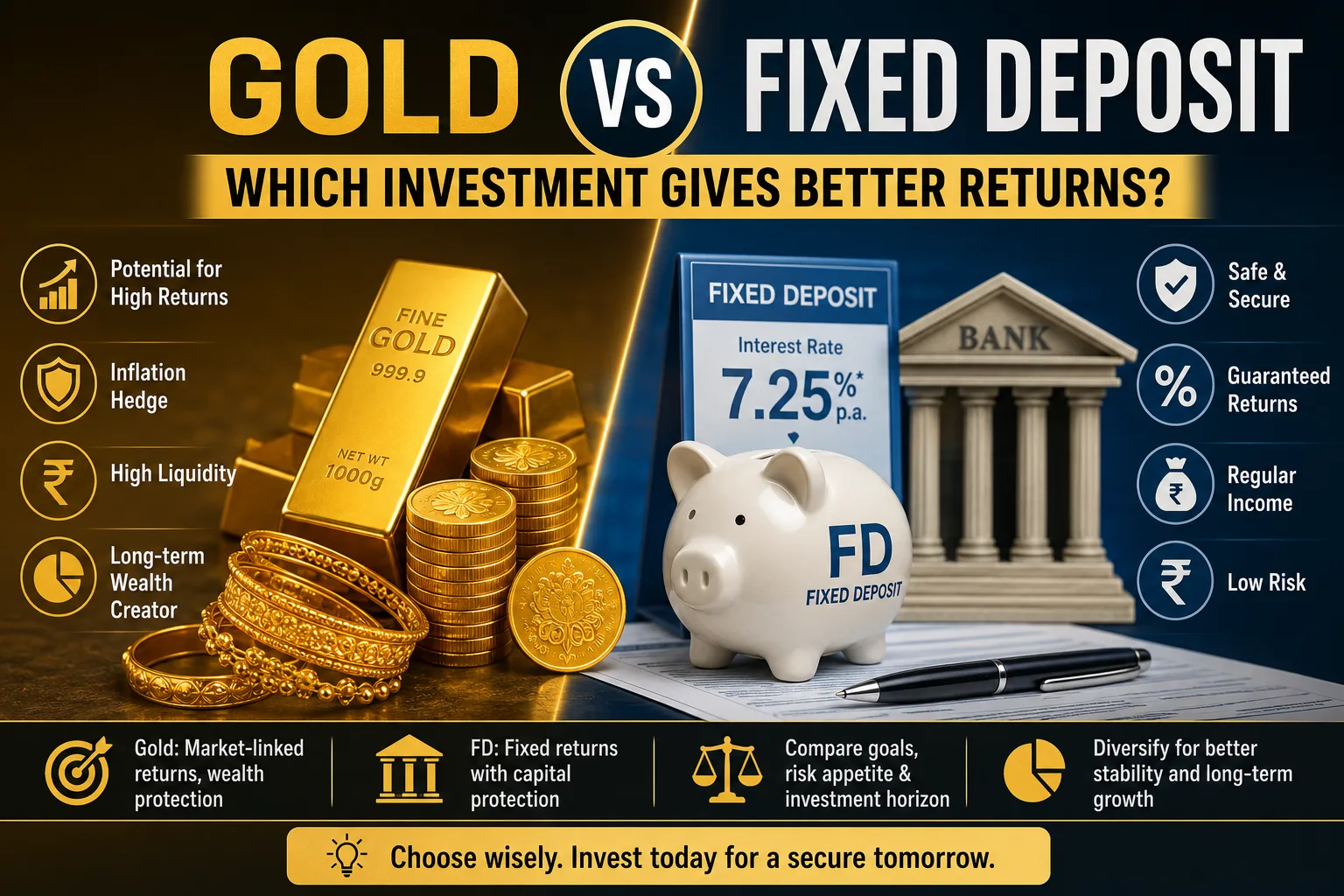
- Fixed deposits become more attractive
- Investors move money into banks
- Gold demand may reduce
- Gold prices can fall
When RBI Reduces Interest Rates
If RBI cuts interest rates:
- Savings returns reduce
- Investors prefer gold
- Gold demand increases
- Gold prices may rise
Gold usually performs better during low-interest-rate environments.
2. RBI and Inflation Control
Inflation means rising prices of goods and services.
Gold is often considered protection against inflation.
If inflation rises:
- People buy more gold
- Gold prices increase
The RBI tries to control inflation using monetary policies.
If inflation becomes too high despite RBI actions:
- Investors move toward gold
- Gold demand rises further
This is why gold prices often increase during periods of economic uncertainty.
3. RBI Gold Reserves
The RBI itself buys and stores gold as part of India’s foreign exchange reserves.
When RBI increases gold purchases:
- Market confidence in gold rises
- Demand increases
- Gold prices may strengthen
Central bank gold buying worldwide is closely watched by investors.
If RBI adds more gold reserves, it often signals that gold remains an important long-term asset.
4. RBI and Rupee Stability
The RBI also works to stabilize the Indian Rupee.
If the rupee weakens:
- Imported goods become expensive
- Gold imports cost more
- Gold prices rise in India
If the rupee strengthens:
- Gold imports become cheaper
- Gold prices may reduce
Since India imports most of its gold, rupee value plays a major role in daily gold price fluctuations.
What Is the US Dollar’s Role in Gold Prices?
Gold is traded globally in US dollars.
This means:
- International gold prices are quoted in dollars
- Currency exchange rates directly affect gold prices
Whenever the US Dollar changes in strength, gold prices react globally.
Relationship Between Gold and US Dollar
Gold and the US Dollar usually move in opposite directions.
Strong Dollar = Lower Gold Prices
When the US Dollar becomes stronger:
- Gold becomes expensive for other countries
- Demand may reduce
- Gold prices often fall
Weak Dollar = Higher Gold Prices
When the US Dollar weakens:
- Gold becomes cheaper globally
- Demand increases
- Gold prices usually rise
This inverse relationship is one of the most important factors in global gold trading.
Why US Economic Conditions Matter
The US economy strongly influences global financial markets.
Factors like:
- US inflation
- Federal Reserve interest rates
- Employment data
- Economic growth
all impact the US Dollar.
For example:
- If the US economy slows down
- Investors fear recession
- People buy more gold as a safe asset
This increases global gold prices.
US Federal Reserve and Gold Prices
The US Federal Reserve is America’s central bank.
Its interest rate decisions heavily affect:
- The US Dollar
- International gold prices
Higher US Interest Rates
When US interest rates rise:
- Dollar becomes stronger
- Investors prefer bonds and savings
- Gold prices may fall
Lower US Interest Rates
When rates fall:
- Dollar weakens
- Gold becomes attractive
- Gold prices may increase
Indian gold prices often react immediately to major US Federal Reserve announcements.
How Dollar Exchange Rate Affects Indian Gold Prices
Even if international gold prices remain stable, Indian gold prices can still rise because of currency exchange rates.
Example:
- International gold price stays same
- Indian Rupee weakens against dollar
- Imported gold becomes expensive
- Gold prices rise in India
This is why Indian gold prices sometimes increase even when global gold prices are flat.
Why Gold Becomes Expensive During Global Crises
During:
- Wars
- Financial crises
- Economic instability
- Global uncertainty
investors often rush toward gold.
Gold is considered a “safe haven” investment.
At the same time:
- Stock markets become volatile
- Currency markets fluctuate
- Investors seek safer assets
This usually increases gold demand and pushes prices higher worldwide.
Why Indians Closely Track Gold Prices
India is one of the world’s largest gold-consuming countries.
People buy gold for:
- Weddings
- Festivals
- Investments
- Savings
- Religious occasions
Cities like Chennai, Hyderabad, Bengaluru, and Kochi have massive gold markets.
Because gold is imported, RBI policies and dollar movements directly impact local jewellery prices.
How Investors Use Gold During Economic Uncertainty
Many investors buy gold during uncertain times because gold:
- Holds long-term value
- Protects wealth
- Performs well during inflation
- Acts as financial security
This is why gold demand usually rises when:
- Inflation increases
- Stock markets fall
- Global tensions rise
- Currency value weakens
Should You Buy Gold When Prices Fall?
Many people wait for gold prices to drop before purchasing jewellery or investing.
However, gold prices depend on many unpredictable global factors:
- RBI policies
- Dollar movements
- International tensions
- Inflation
- Market demand
Instead of trying to perfectly time the market, many financial experts suggest gradual gold investments over time.
Tips Before Buying Gold
Before buying gold:
- Check live gold rates
- Compare jeweller prices
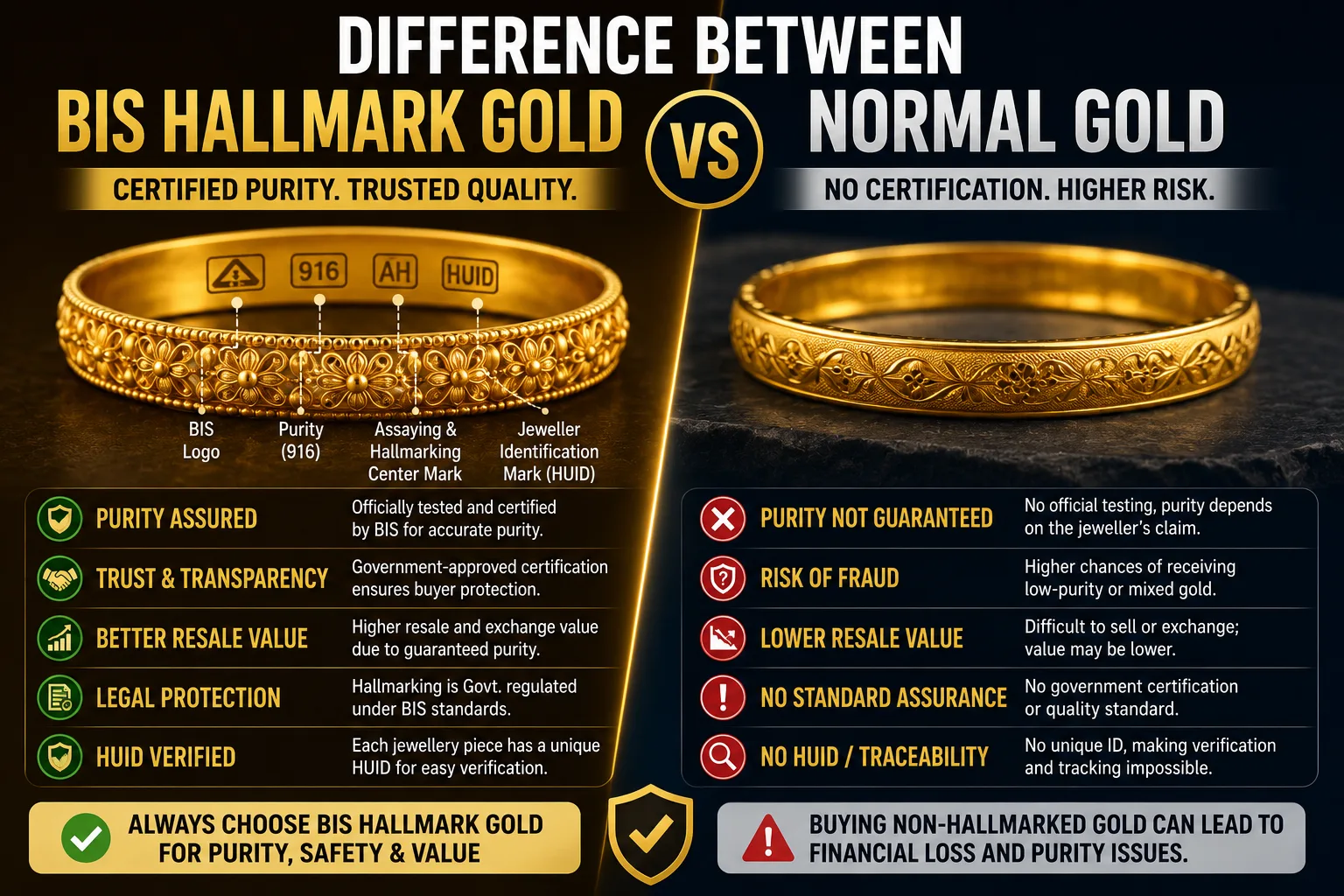
- Verify BIS hallmark certification
- Understand making charges
- Track rupee-dollar movement
Understanding economic factors can help buyers make informed decisions.
Conclusion
The RBI and the US Dollar play a major role in determining gold prices in India. RBI policies influence inflation, interest rates, currency stability, and overall market confidence, while the US Dollar affects international gold trading and import costs.
When the dollar weakens or economic uncertainty increases, gold prices often rise. Similarly, RBI decisions related to interest rates and inflation can significantly impact gold demand in India.
Since India imports most of its gold, both global and domestic financial conditions influence daily gold price movements. Understanding these factors can help jewellery buyers, investors, and families make smarter decisions while purchasing or investing in gold.
Check Live Gold Prices
Get today's gold rate for your city — updated throughout the day.
See Gold Price Calculator